
In 2022, the world produced a record 62 billion kg of electronic waste (e-waste): enough to fill 1.55 million 40-tonne trucks, roughly a bumper-to-bumper line encircling the equator. That’s up 82% from 2010 (Global E-waste Monitor 2024).
It’s time for remanufacturing, reuse, and recycling economies to catch up. Less waste can be produced through circular approaches to product design, business models, and procurement. By thinking ahead at the product design phase, we can ensure our devices can be repaired, reused, recycled or returned, keeping them out of landfills and reducing the amount of materials we extract from the Earth.
What is E-Waste?
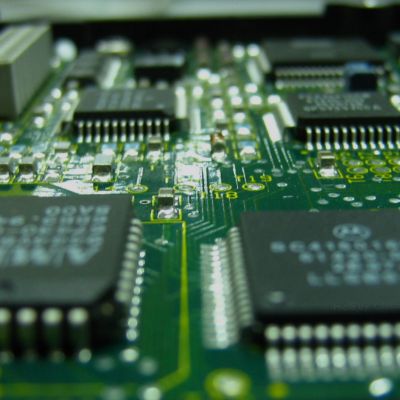
Electronic waste includes unwanted devices and cables, plus batteries and fluorescent lights (including CFLs). Nearly everything inside them can be recovered and made into new products: steel, glass, copper, aluminum, plastics and even precious metals.
Facts & Stats
The Problem
- E-waste is growing five times faster than recycling rates. Less than one quarter (22.3%) of the e-waste generated in 2022 was documented as formally collected and recycled, leaving an estimated US $62 billion worth of recoverable natural resources unaccounted for (Global E-waste Monitor 2024).
- The problem is accelerating. Global e-waste generation is on track to reach 82 billion kg by 2030, a further 33% increase, while documented recycling rates are projected to fall to 20% under business as usual scenarios (Global E-waste Monitor 2024).
- Hazardous material. Over time, electronics can leak toxic elements like mercury and lead, which are harmful to the environment and to human health. If thrown in the garbage, device batteries can cause fires at material recycling facilities. Donating your electronics for reuse, or recycling them at safely managed sites, helps control these hazards and allows valuable resources, from recyclable plastics to gold, to be reclaimed.
The Opportunity
- We’re throwing away a gold mine. Half of the 62 billion kg of e-waste generated in 2022 was metal by weight, with raw materials valued at US $91 billion, including US $19 billion of copper and US $15 billion of gold (ITU).
- Recovering beats extracting. A 2018 study from Tsinghua University and Macquarie University found that recovering gold and copper from discarded electronics (“urban mining”) can be significantly cheaper than mining virgin ore from the ground.
The Canadian Picture
- Canada punches above its weight. Canada generated an estimated 770 million kg of e-waste in 2022, and the United States generated nearly ten times that, at roughly 7,200 million kg (Global E-waste Monitor 2024). The global average is 7.8 kg per person per year; Canadians generate well over double that.
- Replacing too fast. Consumers have historically replaced their cell phones every two to three years, long before the end of the device’s useful life.
What you can do
- Use what you have longer. The best way to reduce your environmental impact is to keep using the devices already in your pocket for as long as possible.
- Donate or sell instead of tossing. Throwing devices out, or storing them in a closet in perpetuity, follows the old habits of the linear economy (take-make-waste). Thinking circular means repairing, refurbishing, and passing devices on for reuse.
- Push for take-back programs. Encourage businesses and manufacturers to take back devices for remanufacturing. Manufacturers can adopt reverse logistics measures to collect devices for repair, refurbishment, and remanufacture.
Organize a collection event
A majority of households have old electronics kicking around. As Canadian municipalities do not offer curbside e-waste collection, many residents rely on collection events for proper management of these materials. We encourage organizations, schools, and municipalities to host an e-waste collection event for reuse and/or responsible recycling.