
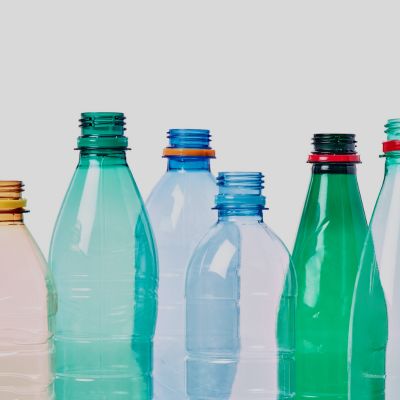
Since the 1950s, 9.1 billion tons of plastic have been generated around the world, with only 9 percent of it ever being recycled (Geyer et al., Science Advances, 2017).
Facts & Stats
The circular economy highlights how we can improve plastic management along the value chain and reduce its waste, preventing it from entering the environment; motivate improved recyclability of plastic goods; and increase the value of recycled plastic by improving product design, use, and end of life management.
- Packaging is the biggest culprit. Approximately 40% of the plastic produced each year is packaging, used once and thrown away.
- Canada recycles just 9 per cent. Only nine per cent of the 3.2 million tonnes of plastic waste Canadians produce each year is recycled, according to a 2019 federal report based on 2016 data.
- New plastic means new fossil fuels. Worldwide, roughly 90% of new plastic products are made from fossil fuels. Using recycled plastic (post-consumer resin, or PCR) in new products displaces the need to create brand new plastic from fossil fuels, keeping material in use instead of losing it to disposal or the environment.
- Recycling cuts carbon. Recycling 1 tonne of plastics prevents up to 2 tonnes of carbon pollution.
- Our oceans are paying the price. The federal government estimates that at least 8 million tonnes of plastic enters our oceans each year, the equivalent of one garbage truck of plastic every minute. By 2050, it’s estimated there will be more plastic in the ocean than fish, by weight.
- Wasted plastic is wasted money. Unrecovered plastic represented a lost opportunity of nearly CA$8 billion for Canada in 2016, based on the value of virgin resin, and that figure is expected to grow to more than $11 billion by 2030. This is the economic potential of improving plastics management and recycling.
What does a Circular economy for plastics look like?
- Reduces material use right from the start.
- Designs products for longevity through reuse, effective recycling, or composting.
- Utilizes renewable resources powered by clean energy.
- Keeps materials in use instead of losing them to landfills or natural ecosystems.
What you can do
Evolving our consumption model from “take-make-waste” into a circular, regenerative system requires action at every level, from corporations to consumers:
- Design waste out: Businesses can eliminate plastic waste before it’s created by integrating circular economy principles directly into product design and business models.
- Reduce your footprint: Individuals can make simple daily changes to cut down on single-use plastics—every action counts toward keeping waste out of the environment.
- Close the loop: Choose products made with post-consumer resin (PCR) to support brands that prioritize recycled materials and keep plastic circulating in the economy.
Plastics Thursday theme is sponsored by: